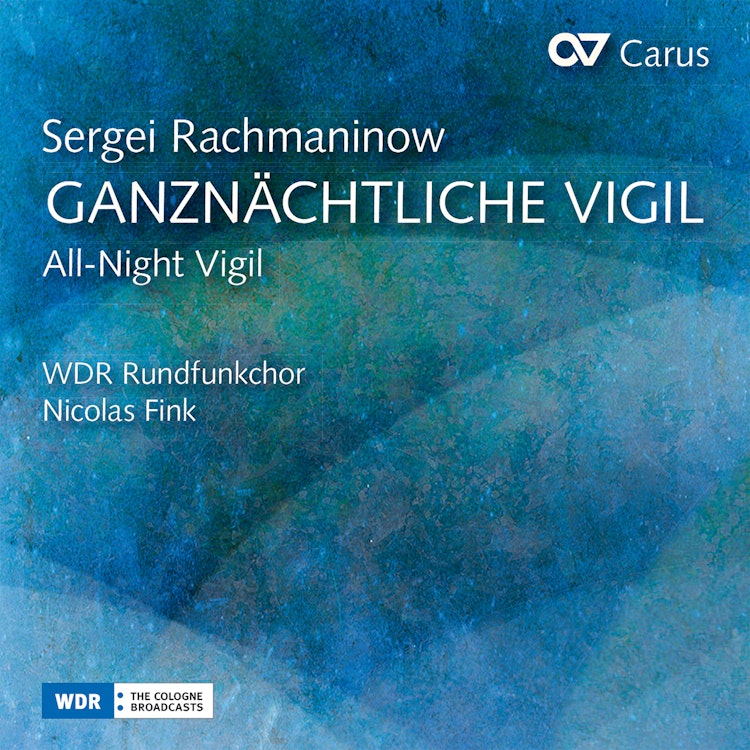
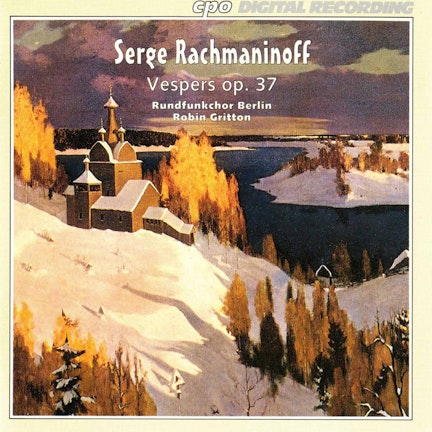
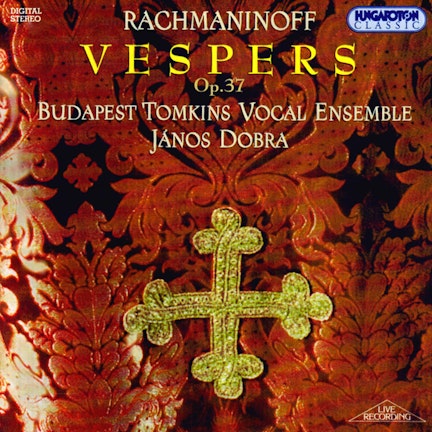
Rachmaninoff's All-Night Vigil adheres closely to sacred music tradition, using old monodic Greek and Russian chants in 10 of its 15 numbers, while the remaining parts feature newly composed melodies that still follow traditional models.
Composer's Artistic Vision
Rachmaninoff felt a strong emotional connection to the Canticle of Simeon ('Lord, now lettest Thou Thy servant depart in peace') and wished for it to be performed at his own funeral.
Composer's Artistic Vision
Rachmaninoff considered his All-Night Vigil, Opus 37, to be one of his best works.
Composition History
Rachmaninoff's All-Night Vigil was composed in January and February 1915 in Moscow and premiered on March 10, 1915, at a charity concert for Russian war casualties.
Composer's Artistic Vision
Rachmaninoff dedicated the All-Night Vigil to Stepan Vasil'yevich Smolenski (1848-1909), his former teacher and director of the Moscow Synodal School, who was highly meritorious in cultivating church music.
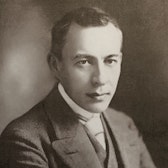
Composer Biography
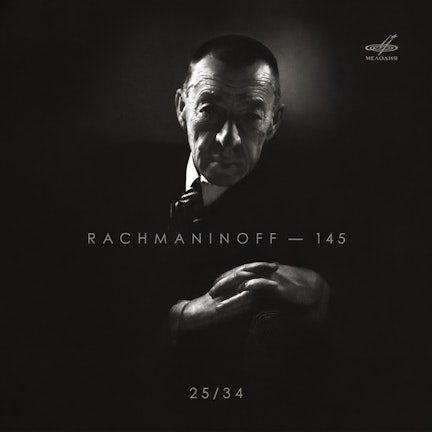
Rachmaninoff left his homeland after the 1917 October Revolution and never returned, dying as an exile in Beverly Hills, California.
Recording & Production
This recording of Rachmaninoff's All-Night Vigil was produced for television by Westdeutscher Rundfunk under the direction of Enrique Sánchez Lansch.