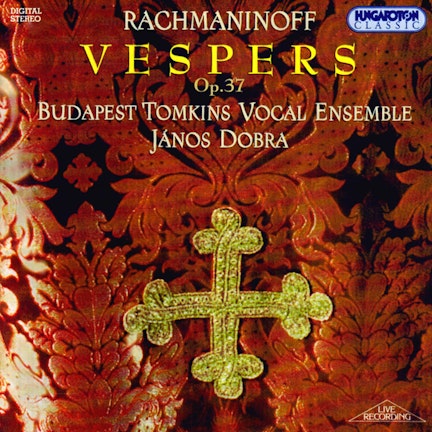
The vocal ranges in Rachmaninov's Vigil reflect Russian traditions, with sopranos not exceeding A natural, but basses frequently descending to low D, C, and even B-flat.
Historical Context
The outbreak of World War I in 1914 deeply shocked Rachmaninov, who had a deep love for German culture and found himself confined to Russia amidst xenophobia.
Compositional Technique
The All-Night Vigil is written for unaccompanied chorus, with each voice frequently subdivided into two or three parts, making it very demanding.
Composition History
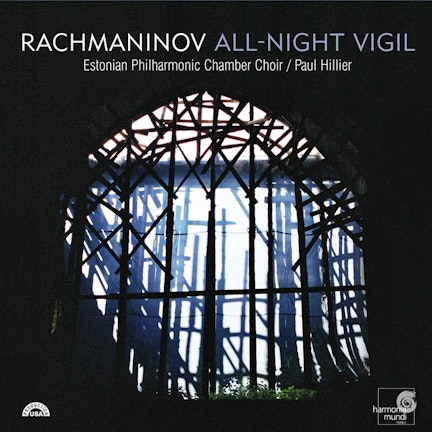
Rachmaninov composed his All-Night Vigil in January and February 1915, during the initial period of World War I.
Performer Biography
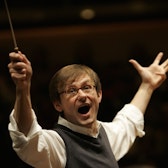
Simon Halsey, the conductor, was awarded The Queen's Medal for Music in 2014 for his influence on UK musical life and was made a Commander of the Order of the British Empire in 2015.
Composer's Artistic Vision
Rachmaninov, though not a conventional believer, incorporated liturgical chant into his music throughout his life, from his First Symphony to his Symphonic Dances.
Composer Biography
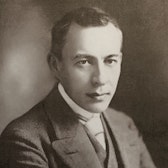
Rachmaninov's First Symphony (1897) was so poorly received by critics that it shattered his confidence, leading him to seek hypnotherapy.