Ravel's Jeux d'eau was groundbreaking for its pianistic innovations, inspired by the sounds of water and based on two thematic motifs, similar to a sonata's first movement but without classical tonal constraints.
Composer's Artistic Vision
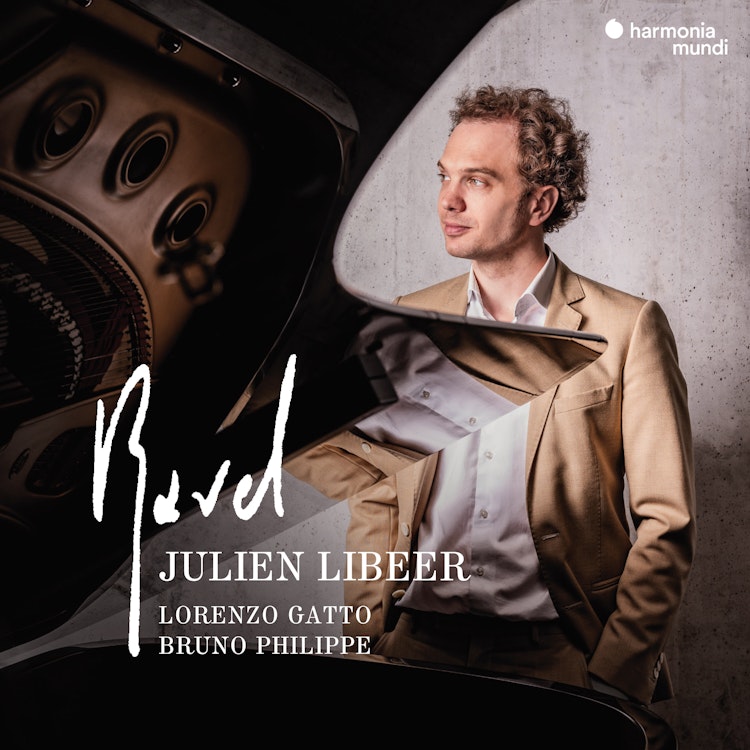
Ravel's aesthetic, as described by pianist Julien Libeer, is both free and beyond reproach, forming a complete ethic of its own.
Composition History
Le Tombeau de Couperin, a dance suite in the 18th-century French tradition, was completed in 1917 from pre-war sketches and dedicated to the memory of Ravel's friends killed in the Great War.
Compositional Technique
Ravel's Sonata for Violin and Cello, which began as a Duo for the Tombeau de Claude Debussy, marked a turning point in his career by stripping down the music to an extreme, renouncing harmonic charm for a stronger emphasis on melody.
Composition History
Ravel's Sonatine was so admired upon its creation that it was published by Durand in November 1905, and Ravel himself performed it frequently, though he did not consider himself a great virtuoso.
Composer Biography
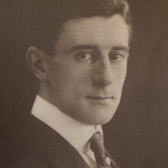
Maurice Ravel, the composer of the works on this album, was described by the album's pianist, Julien Libeer, as being at a point of perfect equilibrium, synthesis, and self-evident beauty, like the Golden Ratio.
Critical Reception
Ravel's Miroirs were initially difficult for both performers and audiences, marking a significant shift in his harmonic style that even accustomed musicians found baffling.
You might also enjoy...
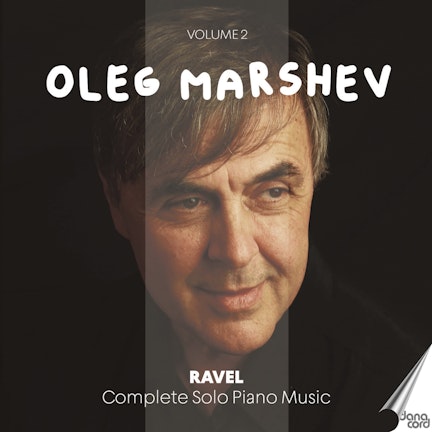
Ravel: Complete Solo Piano Music, Vol. 2
Ravel: Masterworks for the Piano
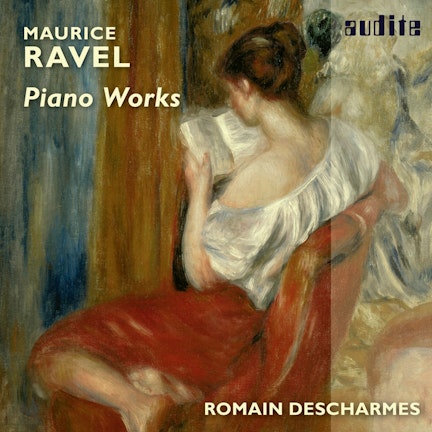
Ravel: Piano Works
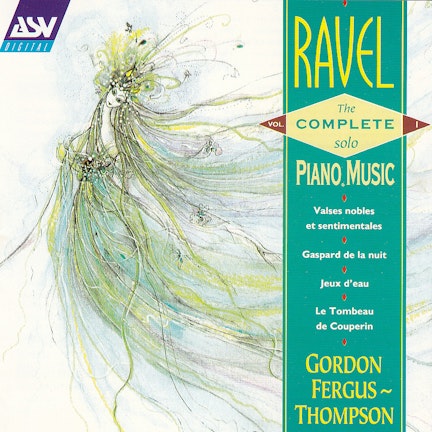
Ravel: The Complete Solo Piano Music Vol. 1
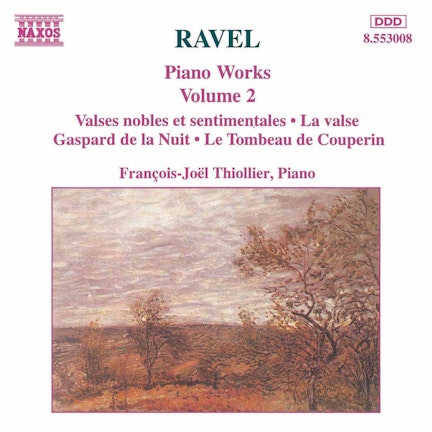
Ravel: Piano Works, Vol. 2
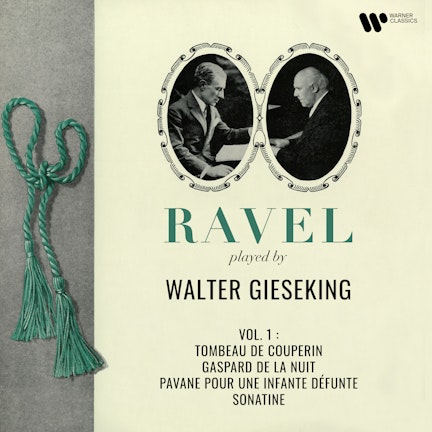
Ravel: Tombeau de Couperin, Gaspard de la nuit, Pavane pour une infante défunte & Sonatine
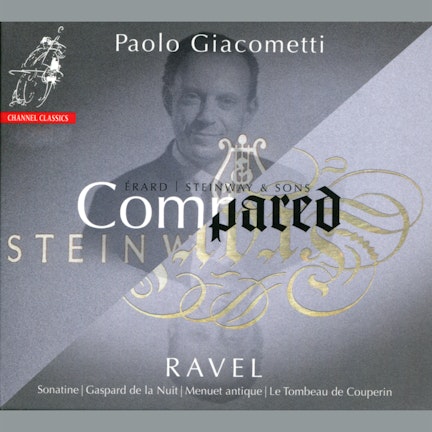
Ravel: Works (Compared Érard and Steinway & Sons Pianos)
Debussy: Ballade, Suite bergamasque, Rêverie, Pour le piano, Danse & Arabesques