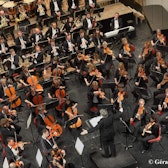
Orchestre Symphonique Région Centre-Val de Loire/Tours
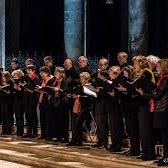
Ensemble vocal Erik Satie
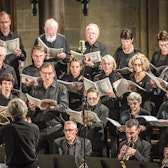
Jacques Ibert Vocal Ensemble
Opus 37 Vocal Ensemble
Joseph Guy Ropartz
Did you know?
1/7
Compositional Technique
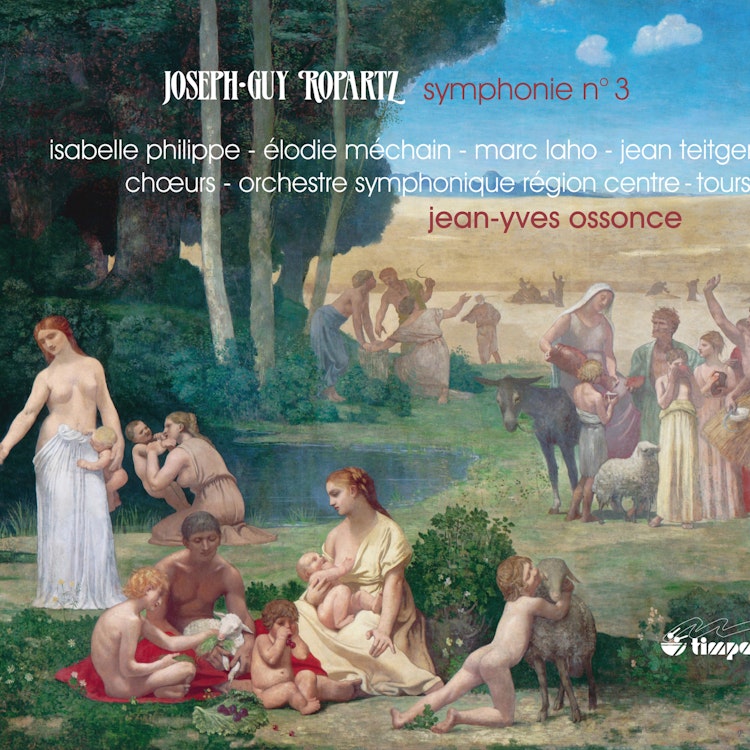
The Third Symphony by Joseph-Guy Ropartz, despite including solo voices and chorus, maintains a classical formal clarity, with a sonata-form first movement and a Beethovenian scherzo.
Historical Context
The premiere program of Joseph-Guy Ropartz's Third Symphony in Nancy in 1906, devised by the composer, included works by Bach and Franck that echoed themes of justice and reconciliation, relevant to the Dreyfus affair.
Compositional Technique
Joseph-Guy Ropartz's Third Symphony uses musical motifs (leitmotifs) to represent nature (sun, forest, sea, plain) and human emotions (doubt, joy), structuring the work through their cyclical return.
Composer Biography
In 1906, the year of his Third Symphony's premiere, Joseph-Guy Ropartz had led the Nancy Conservatory and orchestra for twelve years, promoting both historical works and contemporary music.
Critical Reception
Claude Debussy, known for being sparing with compliments, praised Joseph-Guy Ropartz in 1903 for his tireless enthusiasm in promoting fine musical works at the Nancy Conservatory.
Composition History
The genesis of Joseph-Guy Ropartz's Third Symphony, completed in 1906, coincided with the Dreyfus affair, a major controversy in French society.
Composer's Artistic Vision
The Third Symphony's text, written by Joseph-Guy Ropartz, asserts a profoundly humanist morality based on Christian convictions, which then evolve into universal values.
You might also enjoy...
Schuman: Symphony No. 3
Vaughan Williams: Symphony No. 5
Shankar: Symphony
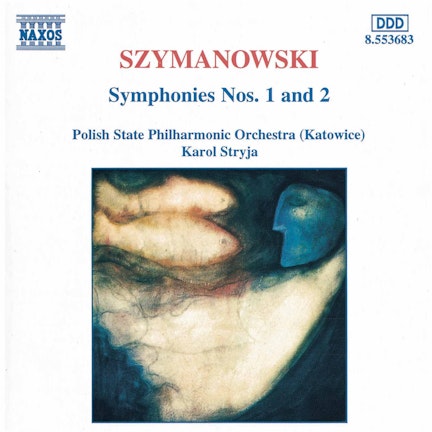
Szymanowski: Symphonies Nos. 1 and 2
Harbison Symphonies 1 & 2
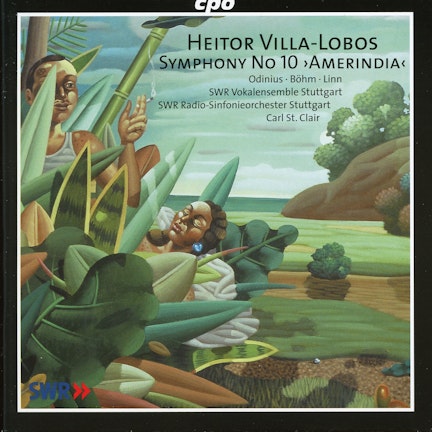
Villa-Lobos: Symphony No. 10
Szymanowski: Symphonies Nos. 1 and 2
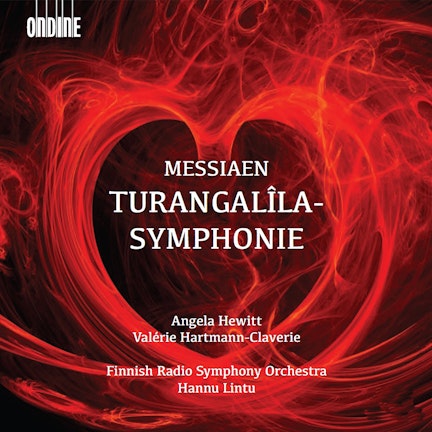
Messiaen: Turangalîla-symphonie
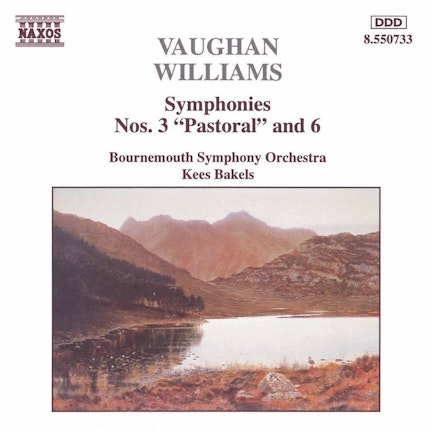
Vaughan Williams: Symphonies Nos. 3, 'Pastoral', and 6
William Grant Still: Symphony No. 4 "Autochthonous", III. With a graceful lilt