Fauré revised his pupil Charles Koechlin's orchestration of "Pelléas et Mélisande" to create a more expansive and hazily blurred sound, reinforcing melodic lines and filling out harmonies.
Recording & Production
The Schönberg piece on this album was recorded in October 2012 at Alte Oper Frankfurt, while the Fauré piece was recorded in January 2014 at hr-Sendesaal Frankfurt.
Compositional Technique
In his "Pelleas und Melisande," Arnold Schönberg uses leitmotif technique and assigns specific instrumental colors to characters: trumpet for Pelléas, horn for Golaud, and cor anglais for Mélisande.
Historical Context
Maurice Maeterlinck's drama "Pelléas et Mélisande" was a key literary work of Symbolism, written in 1892, and inspired four major composers around 1900.
Performer Biography
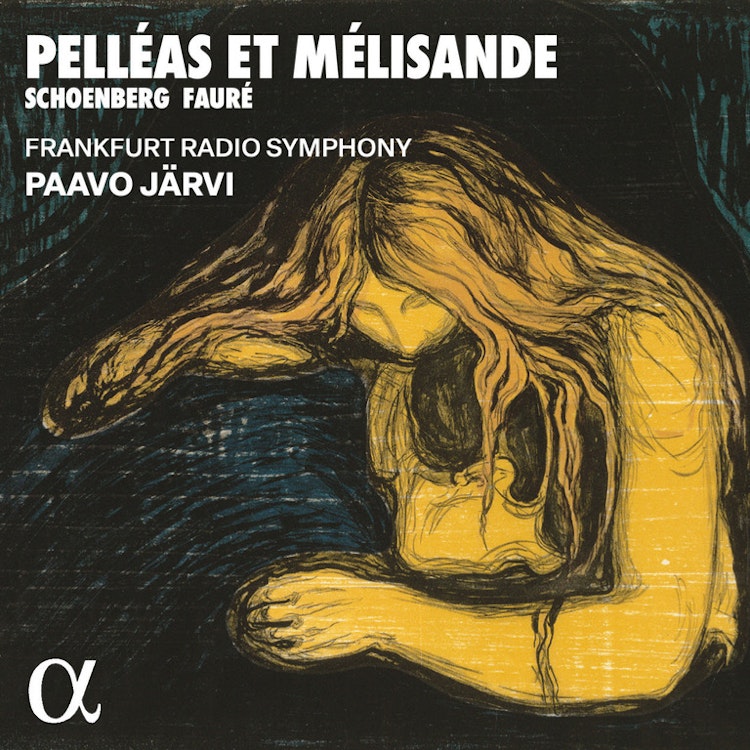
Paavo Järvi, the conductor on this album, was Chief Conductor of the Frankfurt Radio Symphony from 2006 to 2013 and was named Conductor Laureate in 2013.
Composition History
Gabriel Fauré composed his stage music for "Pelléas et Mélisande" in less than a month in 1898, after Claude Debussy declined the commission.
Critical Reception
Arnold Schönberg's 1905 premiere of his symphonic poem "Pelleas und Melisande" in Vienna caused an uproar, with one critic suggesting he be committed to a lunatic asylum.
You might also enjoy...
Living Concert Series – Schoenberg & Fauré: Pelleas & Melisande
Max Reger: Four Tone Poems after Böcklin; Romantic Suite
Rabaud: Orchestral Works
Schoenberg & Sibelius & Fauré: Pelléas et Mélisandre
Alexander Scriabin: Poeme de l'extase / Isaac Albeniz: Iberia, Book 1
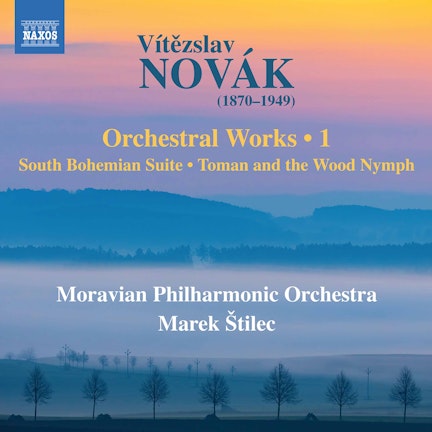
Novák: Orchestral Works, Vol. 1
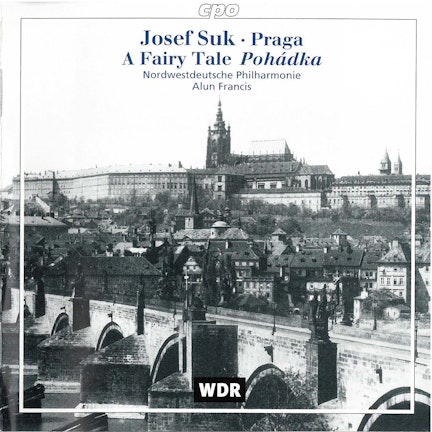
Suk: Prague & Pohádka
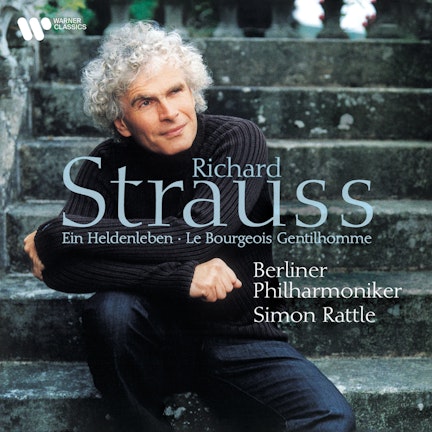
Strauss: Ein Heldenleben & Le bourgeois gentilhomme
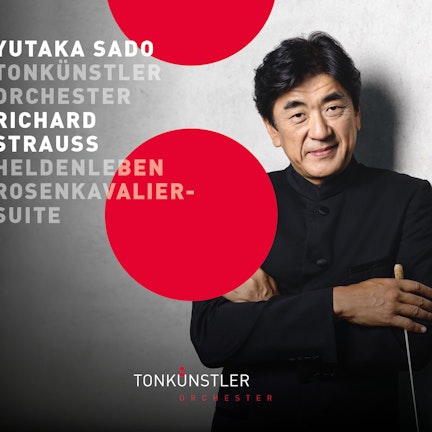
Strauss: Ein Heldenleben, Op. 40, TrV 190 - Der Rosenkavalier Suite, Op. 59, TrV 227d
R. Strauss: Der Rosenkavalier Suite & Ein Heldenleben
Strauss, R.: Alpine Symphony (An) / Rosenkavalier Suite (Dresden Philharmonic, Fruhbeck De Burgos)