Telemann was known for his unpredictability and artistic misdirection in composition, a trait also seen in later composers like Haydn.
Compositional Technique
Telemann's skill allowed him to compose parts tailored for each instrument, enabling instruments to change roles as if 'changing into party clothes'.
Compositional Technique
Telemann frequently blended genres, incorporating dances into his concertos and concerto-like passages into his chamber music.
Compositional Technique
Telemann's Introduzzione & Suite à 3 in C major includes a 'portrait gallery' of famous historical women, such as Xantippe, Lucrece, Corinna, Cloelia, and Dido.
Compositional Technique
Telemann often used minor keys in his trio sonatas for recorder and oboe to suit the oboe's melancholy tone, similar to famous examples in Bach's works.
Composer's Artistic Vision
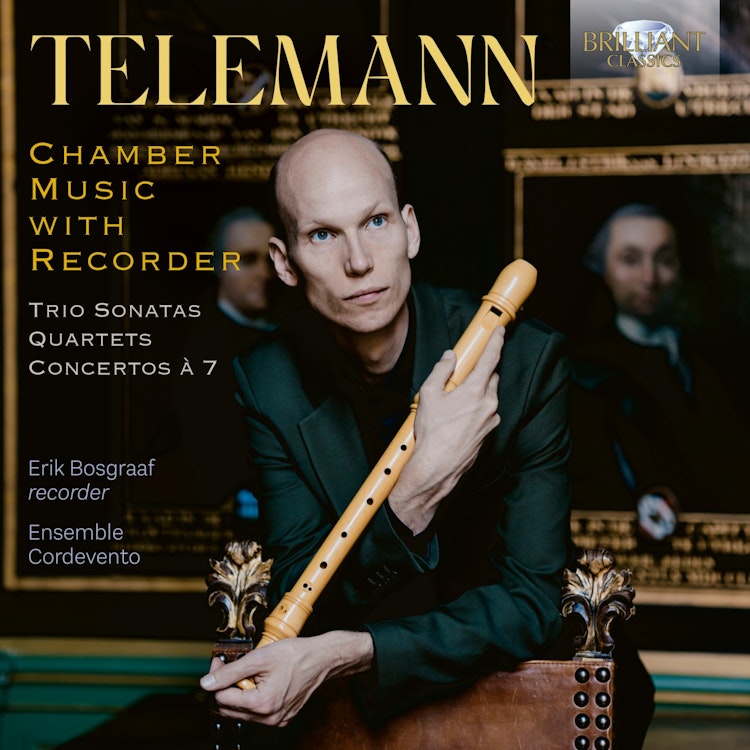
Telemann's works are characterized by an uncomplicated joy of playing together, which the performers aimed to capture in this recording.
Composer Biography
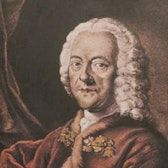
Georg Philipp Telemann, the composer, played the recorder himself and is considered by the performer to be the Baroque composer who wrote most idiomatically for the instrument.
You might also enjoy...
Bach: Sonatas, BWV 525 & 527-530
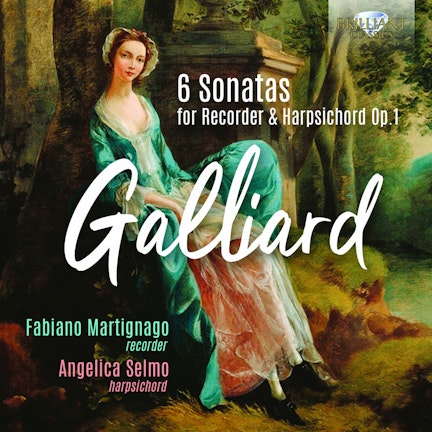
Galliard: 6 Sonatas for Recorder & Harpsichord, Op. 1