The Concerto Primo in G major from Telemann's 1730 Hamburg collection is a perfect example of his new genre, skillfully playing with musical motifs, counter-motifs, moods, and forms.
Compositional Technique
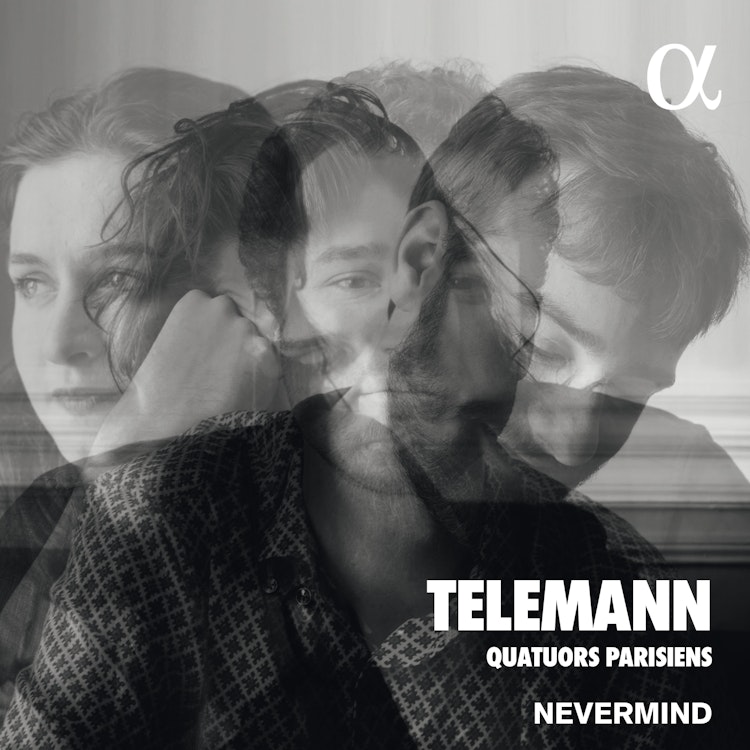
Telemann's 1730 Quadri (Quartets) were innovative in four-part chamber music, combining transverse flute, violin, and viola da gamba (or cello) into a highly heterogeneous-sounding trio over a basso continuo.
Composition History
The Paris publishing house Le Clerc became interested in Telemann's works around the same time, offering his compositions in almost every chamber music category by 1750.
Composer Biography
Georg Philipp Telemann, an extremely industrious and versatile composer, rose to high musical posts and even became an entrepreneur by distributing his own chamber music.
Composer's Artistic Vision
Telemann encouraged improvisation in his Fugue no. 14, stating that players could modulate 'a little or extensively, according to his ability' before performing the fugue.
Composition History
Telemann's self-publishing efforts led to a young French flautist, Michel Blavet, noticing his works, which may have led to Telemann being invited to Paris.
Compositional Technique
Telemann's Fugue no. 14 from the Zwanzig kleinen Fugen is connected to his Allgemeines Gesangbuch and was intended to prepare congregations for the mode of the chorale to be sung.