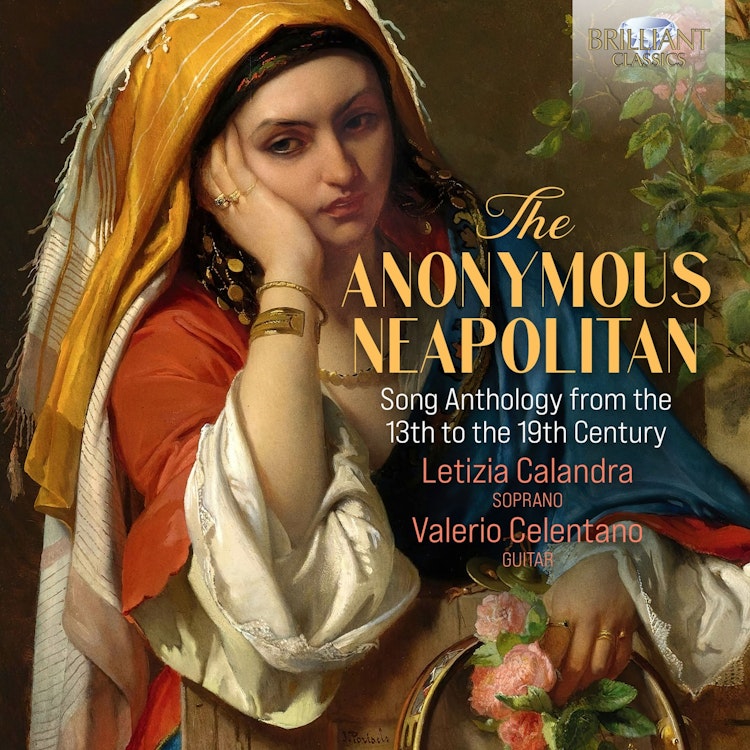
The Anonymous Neapolitan: Song Anthology from the 13th to the 19th Century
3/29/2023, 21 Tracks, 1:06:49
Featuring
Letizia Calandra
Valerio Celentano
Anonymous (Traditional)
Anonymous
Did you know?
1/7
Performer Biography
Letizia Calandra, the soprano, has a background in classical and early music and is considered a leading interpreter of the Neapolitan classical repertoire.
Interpretation
Valerio Celentano, the guitarist on this album, also created all the transcriptions of the pieces, which is the result of years of research.
Recording & Production
The recording was made in December 2021 at Castello Geiringer-European School of Trieste, Italy, and features a guitar by Leonardo De Gregorio.
Cultural Impact
The song 'Fenesta vascia' is widely recognized as a symbol of Italy and was cited in Hector Malot's 1878 novel 'Sans Famille' as a tune sung by a street musician.
Album & Artwork
This album, "The Anonymous Neapolitan," is a continuation of soprano Letizia Calandra's exploration of old Naples, its stories, melodies, and poetry.
Historical Context
For at least three centuries, Neapolitan songs were handed down orally and many were lost, until the mid-19th century when they were collected and transcribed.
Composition History
The album includes the Seikilos epitaph, an anonymous musical fragment discovered in Anatolia, which is considered the oldest complete piece of music known.
You might also enjoy...
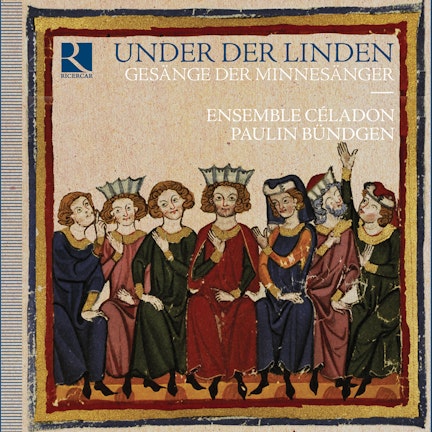
Under der Linden
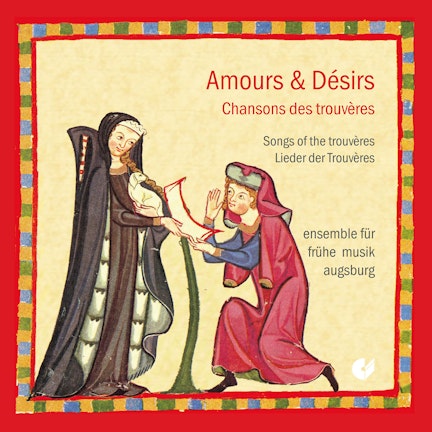
Amours & Désirs: Chansons des trouvères
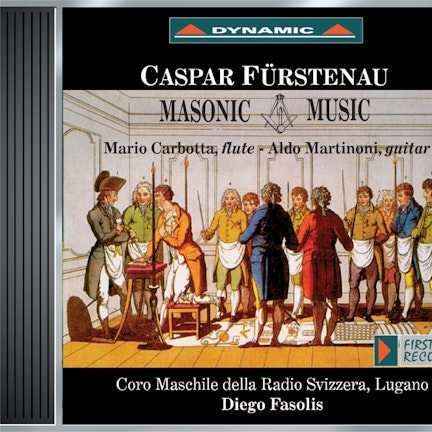
Furstenau: 6 Masonic Songs / 12 Pieces
Stravinsky: Les Noces (1917 and 1923 Versions)
The Old Burying Ground
Wonderland
Songs and Such: Vocal Chamber Music
Fleischer: Lieder
De la cour de Louis XIV à Shippagan! Chants traditionnels acadiens et airs de cour du XVIIe siècle
La Grazia Delle Donne
Schoenberg: Pierrot Lunaire
Schoenberg: Pierrot Lunaire; Herzgewächse; Ode to Napoleon