Victoria's musical style was less formal than Palestrina's, featuring more graceful melodic lines and greater freedom with dissonance, rarely choosing to display complex counterpoint.
Recording & Production
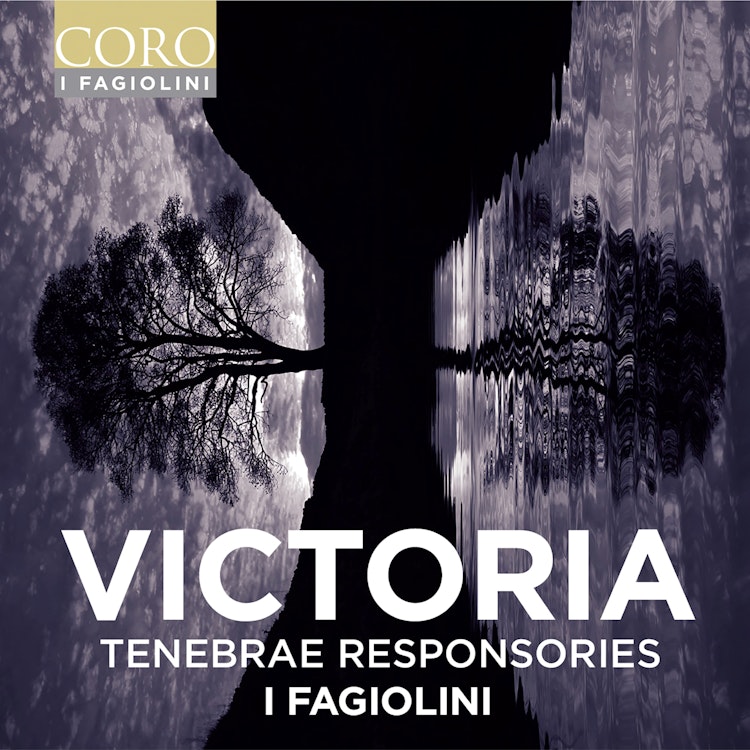
This recording by I Fagiolini is only the second time the Tenebrae Responsories have been recorded at their intended low pitch and voicing by a solo quartet.
Compositional Technique
Victoria chose a simple texture of four voices for his Tenebrae settings, with internal sections for just two or three voices, contrasting with the complex polyphony of his time.
Historical Context
The Responsories were for the Tenebrae services, which symbolically re-enacted the dying of the light as Christ was arrested, tried, crucified, and entombed.
Composer Biography
Victoria spent many years in Rome, where he was admired, priested, and may have studied with Palestrina, a fellow composer often seen as his rival.
Composition History
Victoria's set of 18 four-part Responsories was published in Rome in 1585 as part of his collection of liturgical settings for Holy Week, titled Officium Hebdomadae Sanctae.
Composer Biography
Tomás Luis de Victoria, the composer, was born in Ávila, Spain, trained as a choirboy, and was favored by King Philip II, who admired his skill as an organist and composer.
You might also enjoy...
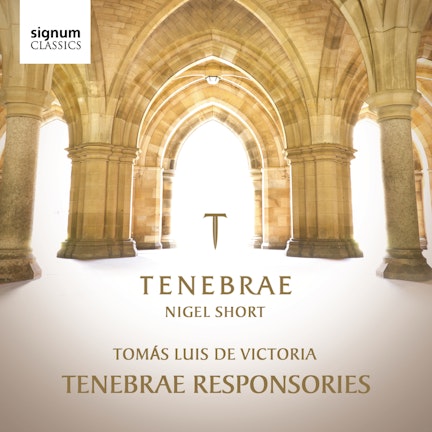
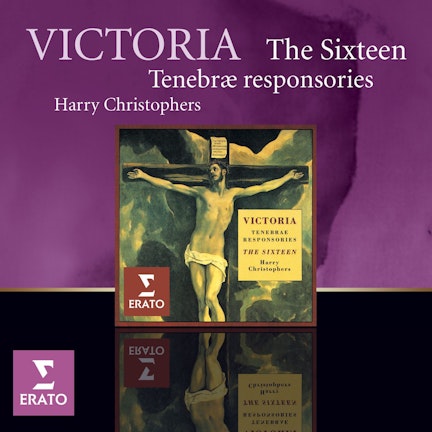
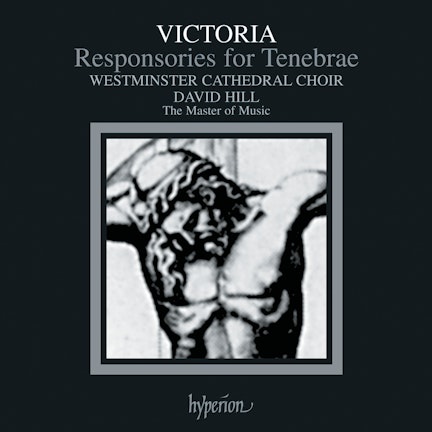
De Victoria - Tenebrae Responsories
Orfeo Vecchi, Six-voice Motets, Motectorum sex vocibus liber tertius (Milan 1598)