Henry Purcell's odes and welcome songs, like "Fly, bold rebellion," were occasional pieces marking events such as St Cecilia's Day, the Queen's birthday, and royal weddings.
Composer's Artistic Vision
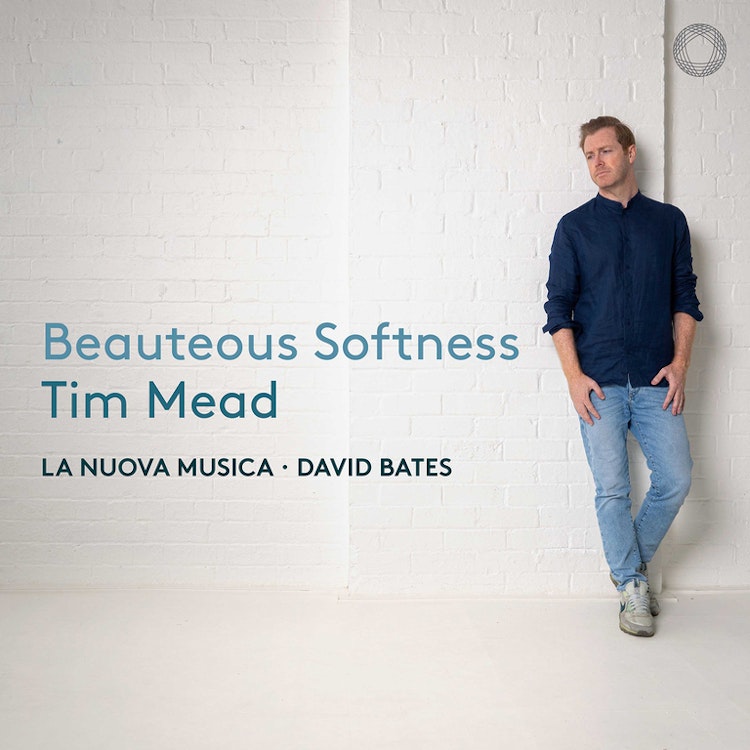
The album's title, "Beauteous Softness," is taken from a solo verse in Henry Purcell's ode "Now does the glorious day appear," and encapsulates the subtle qualities of the music.
Composer Biography
John Blow, an older composer, passed his post as organist of Westminster Abbey to Henry Purcell in 1679, resuming it after Purcell's death in 1695.
Interpretation
Counter-tenor Tim Mead is drawn to the subtlety of Henry Purcell's music, where emotion is distilled into perfectly crafted gestures, and small harmonic details are heavy with meaning.
Recording & Production
This album was recorded at All Saints' Church, London, between March 22-27, 2022, with Jonathan Freeman-Attwood as the recording producer.
Composer Biography
Henry Purcell, a prodigy, began composing around 1670 and became organist of the Chapel Royal in 1682, producing music for the Chapel and ceremonial music for the Court.
Compositional Technique
Henry Purcell's "Te Deum and Jubilate," written for St Cecilia's Day in 1694, was described as "essentially a new kind of church music," designed to impress the public.