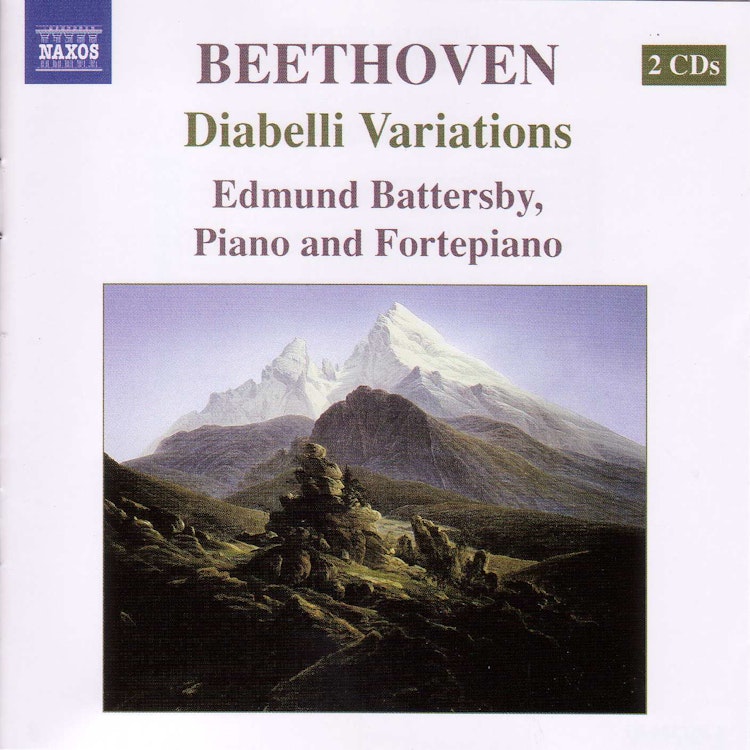
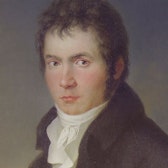
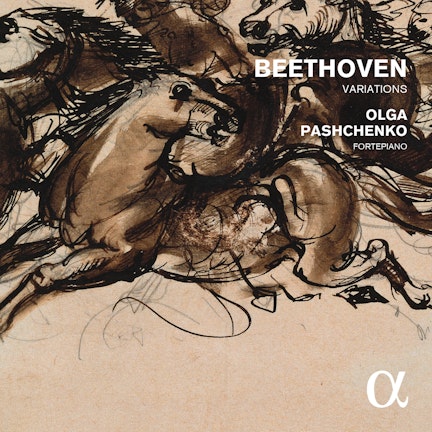
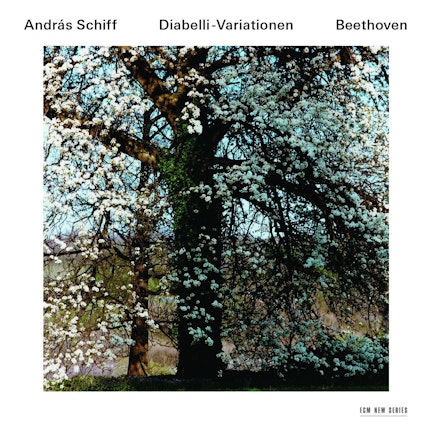
Beethoven initially refused to contribute a single variation to Anton Diabelli's collection, instead composing his own set of 33 variations, which became his last large-scale work for solo piano.
Interpretation
Pianist Edmund Battersby recorded the Diabelli Variations on both modern and period instruments to explore the interpretive possibilities and how the 'right' instrument might solve musical puzzles.
Compositional Technique
Beethoven incorporates a direct parody of Mozart's opera Don Giovanni in Variation XXII, borrowing the opening of Leporello's aria 'Notte e giorno faticar'.
Recording & Production
This album features two recordings of the Diabelli Variations: one on a 1997 replica of a Conrad Graf fortepiano from 1825, and another on a modern 1976 Steinway 'D' piano.
Composer's Artistic Vision
Beethoven's Diabelli Variations can be seen as a 'transcendental journey' and a 'monumental narrative structure' that explores musical genres and styles from both the past and his own time.
Instruments
The fortepiano used on this recording is a replica of a Conrad Graf instrument, a renowned Viennese builder from whom Beethoven acquired a piano in 1825.
Compositional Technique
Beethoven's solution to Diabelli's simple waltz theme was to transform it into 'other-worldly magnificence' through a narrative approach, moving the music gradually away from the original theme.
You might also enjoy...
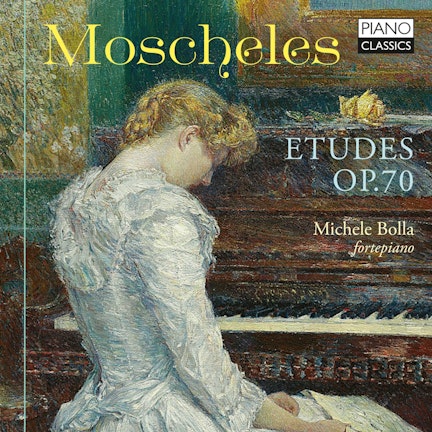
Moscheles: Etudes, Op. 70
Mozart: Keyboard Music Vol.4
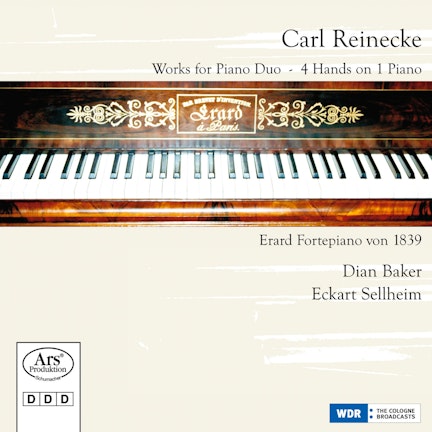
Reinecke: Works for Piano Duo - Piano Four Hands
Mozart: Keyboard Music Vol.4
Mozart: Piano Works
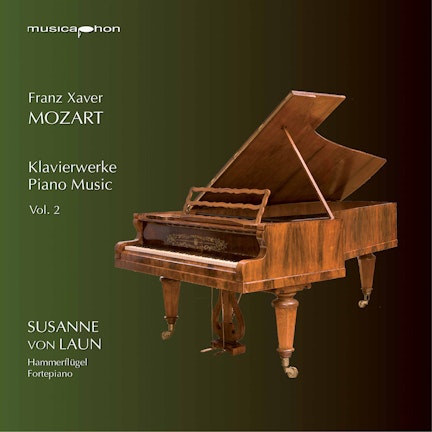
Piano Music, Vol. 2
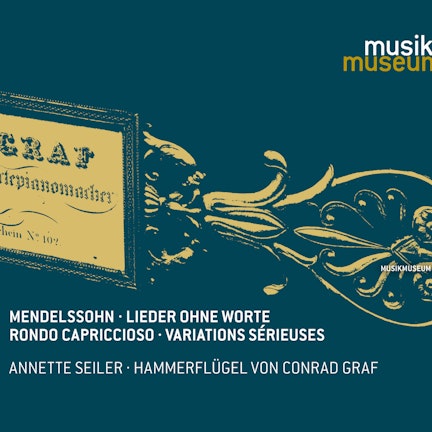
Mendelssohn: Lieder ohne Worte, Rondo capriccioso & Variations sérieuses
Mozart’s Real Musical Father
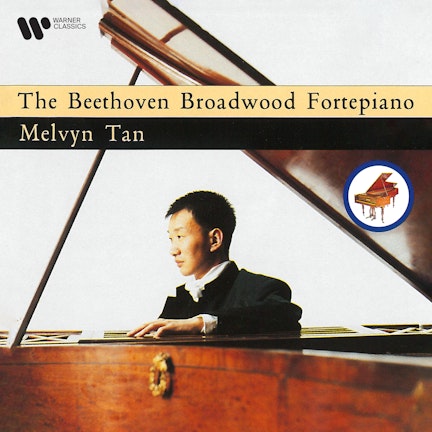
Beethoven: Bagatelles, Variations and Fantasia at the Broadwood Fortepiano
Schubert: Music For Piano 4 Hands
Beethoven: Variations
Beethoven: The Complete Piano Variations & Bagatelles