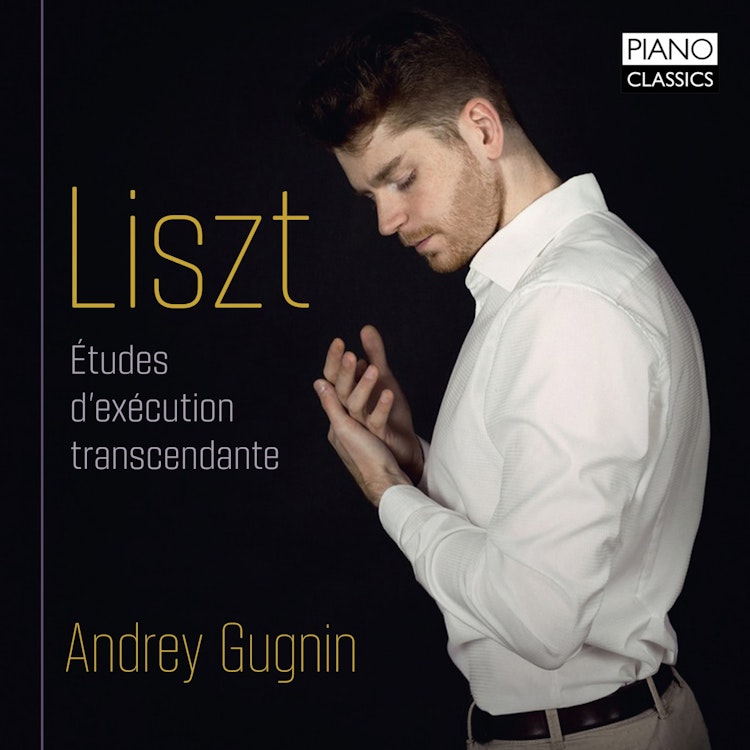
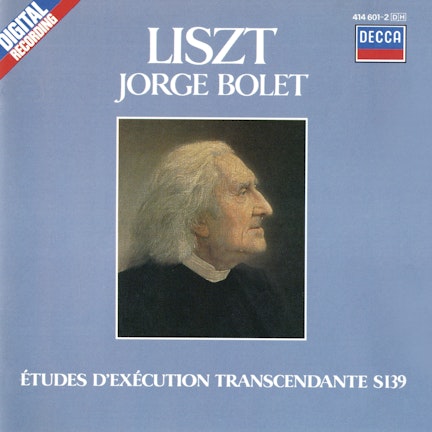
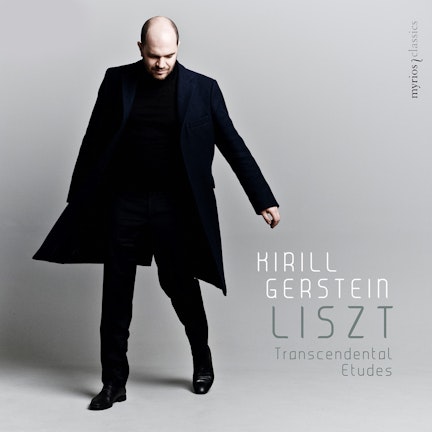
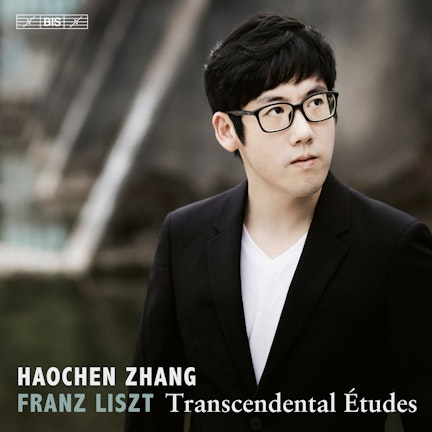
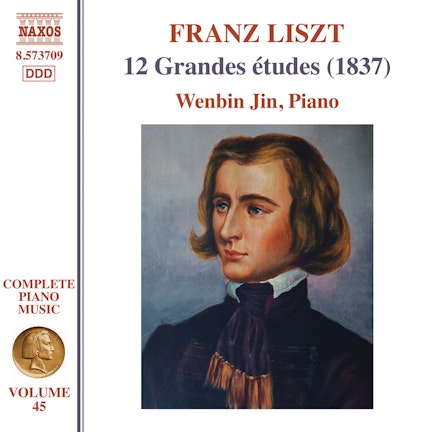
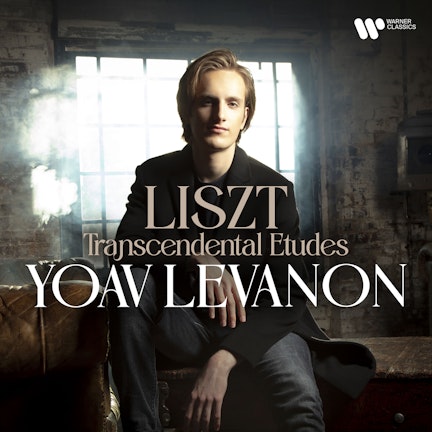
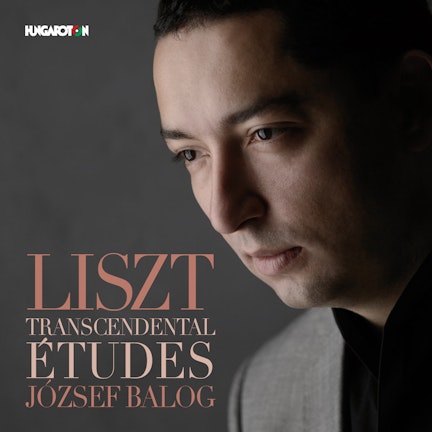
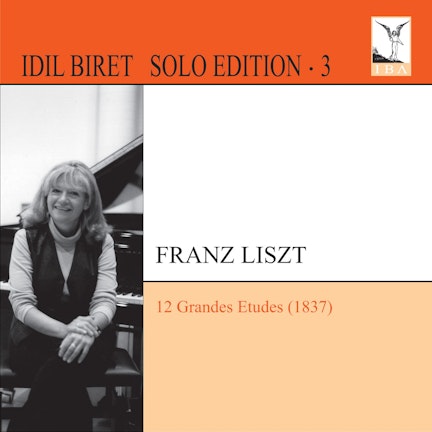
The Études d'exécution transcendante retain the original key structure of a descending circle of fifths, but each piece was lengthened and given a range of new technical challenges.
Composer Biography
Franz Liszt played a central role in 19th-century music as a performer, conductor, composer, and innovator, bridging the eras of Beethoven and Debussy.
Recording & Production
Andrey Gugnin's recording of Shostakovich concerti was used on the soundtrack of Steven Spielberg's Oscar-winning film, 'Bridge of Spies'.
Composer's Artistic Vision
Liszt transformed how music was heard by inventing the solo piano recital, pioneering the master class, and originating the symphonic poem.
Composer Biography
At age thirty-seven, at the height of his performing career, Liszt retired from the concert stage to focus on composition, never performing for money again except for charity.
Composition History
Liszt's Études d'exécution transcendante began as twelve études published in 1826, which he later revised and expanded in 1838 and 1851, adding descriptive titles.
Performer Biography
Andrey Gugnin, the pianist on this album, won the Gold Medal and Audience Award at the XVI International Gina Bachauer Piano Competition in 2014, and first prize at the Sydney International Piano Competition in 2016.
You might also enjoy...
Liszt: Transcendental Etudes, S. 139
Liszt: Faust Symphony, S. 108
Liszt: Eine Faust-Symphonie, S. 647 (Version for Piano Duo)
Liszt: Piano Works Vol. 7 - Etudes d'exécution transcendante
Liszt: Transcendental Etudes, S. 139
Liszt: 12 Études d'exécution transcendante, S. 139