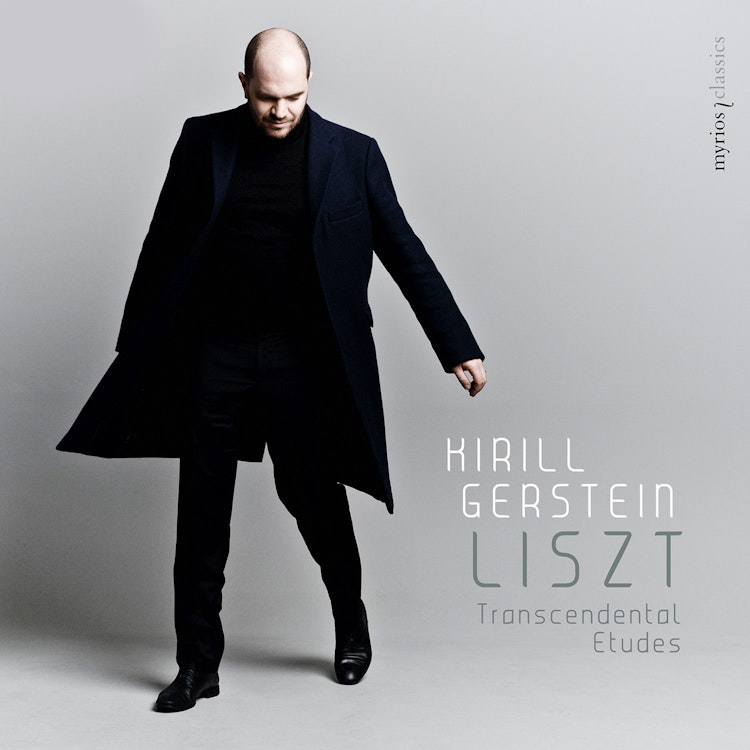
Kirill Gerstein, born in Russia, taught himself jazz piano by listening to his parents' records and was invited to Berklee College of Music by jazz legend Gary Burton at age 14.
Composition History
The Transcendental Etudes exist in three versions: the initial 1826 version, a nearly unplayable 1837 version, and the perfected 1852 version recorded on this album.
Composition History
Franz Liszt first conceived the musical material for these Transcendental Etudes when he was a 15-year-old boy in 1826.
Composer's Artistic Vision
Liszt's musical vision in these Etudes looks both backward to Haydn and Beethoven, and forward to Impressionism, while also influencing composers like Bruckner and Wagner.
Composer's Artistic Vision
Liszt's Transcendental Etudes go beyond mere technical exercises, aiming to transcend the physical realm and transport listeners into spiritual and otherworldly experiences.
Performer Biography
Pianist Kirill Gerstein was awarded the prestigious Gilmore Artist Award, which enabled him to commission new works from composers like Oliver Knussen, Chick Corea, and Brad Mehldau.
Compositional Technique
The final Etude, 'Chasse-neige' (Snowstorm), concludes the cycle by metaphorically 'snowing in white' the entire musical canvas, an example of poeticizing in music.
You might also enjoy...
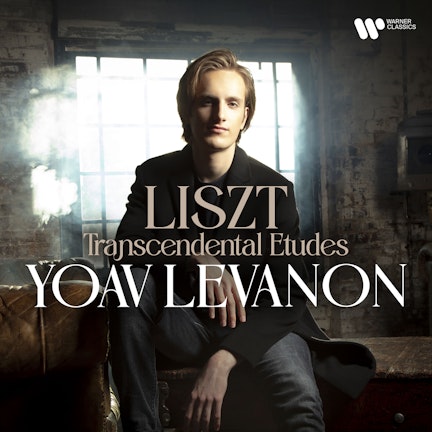
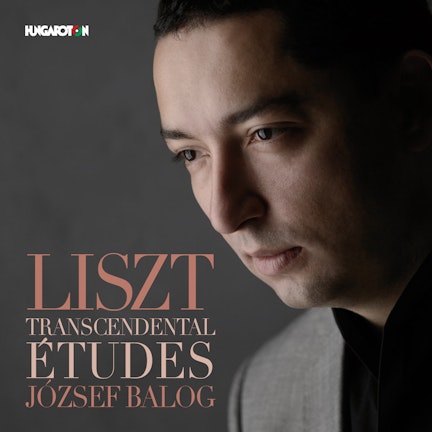
Liszt: Transcendental Etudes, S. 139
Liszt: Faust Symphony, S. 108
Liszt: Eine Faust-Symphonie, S. 647 (Version for Piano Duo)
Liszt: Piano Works Vol. 7 - Etudes d'exécution transcendante
Liszt: Études d'exécution transcendante
Liszt: 12 Études d'exécution transcendante, S. 139