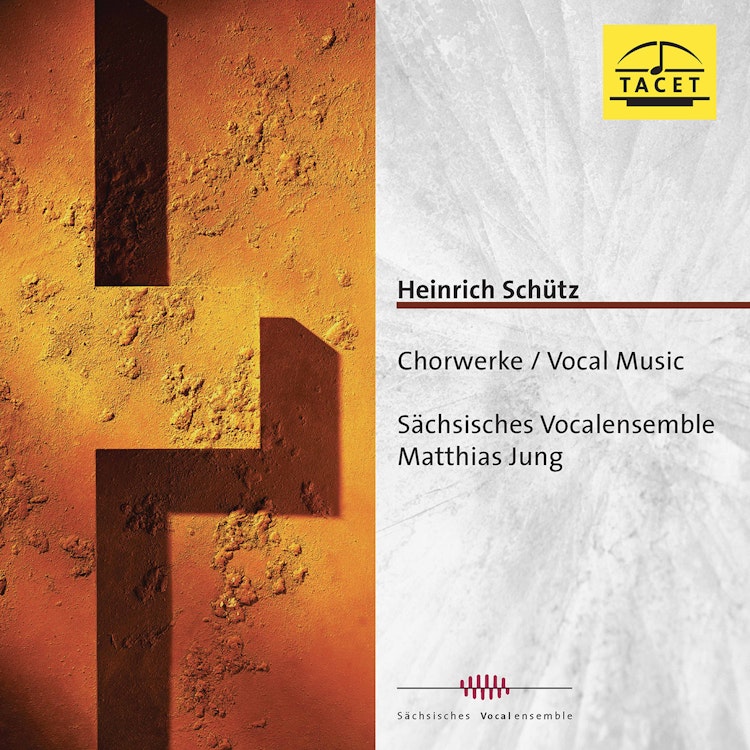
Heinrich Schütz, who served the Wettin electoral court from 1615 until his death in 1672, was celebrated by his contemporaries as 'Lumen Germaniae' (the light of Germany).
Composition History
Schütz's 'Psalms of David', his first major German-language work after studying in Venice, was dedicated to Prince Johann Georg I, Elector of Saxony, for the court orchestra.
Compositional Technique
Schütz made musical use of 'rhetorical figures' from the humanistic world, particularly 'Hypotyposis', to graphically portray non-musical pictures and events mentioned in the text.
Performer Biography
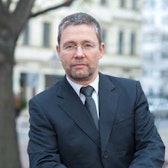
The Saxon Vocal Ensemble, founded in 1996 under Matthias Jung, is known for its small number of performers per part, requiring top-quality solo singing and high flexibility.
Interpretation
This recording uses a vocal ensemble with two thorough bass (continuo) instruments, reflecting Schütz's freedom in instrumentation, where works could be performed purely vocally or with a mix of voices and instruments.
Compositional Technique
Schütz transferred the musical portrayal of 'affectations' (emotional states like love, rage, pain, joy) from Renaissance madrigals into polyphonic sacred music.
Composer's Artistic Vision
In Heinrich Schütz's vocal works, language and music achieved an intimate amalgamation that had never been reached before and has perhaps been equaled but never surpassed since.
You might also enjoy...
Schütz: Geistliche Chormusik
Brahms: Ein deutsches Requiem
Martin Klietmann - Tenor
Bach for five
Les Arts Florissants: Sacred Music
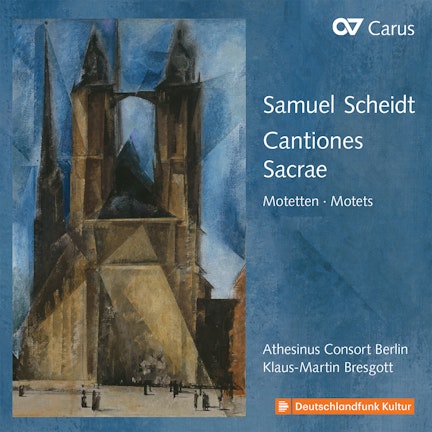
Scheidt: Cantiones sacrae
Scheidt: Cantiones Sacrae
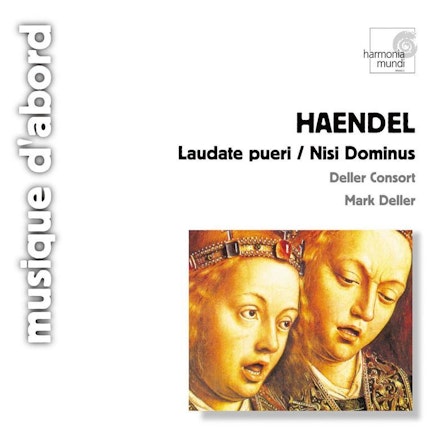
Handel: Laudate Pueri, Nisi Dominus
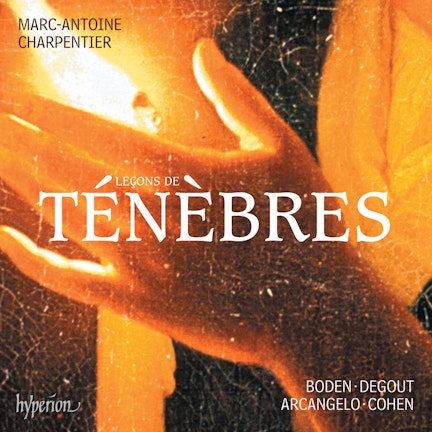
Charpentier: Leçons de ténèbres, Litanies & Magnificat
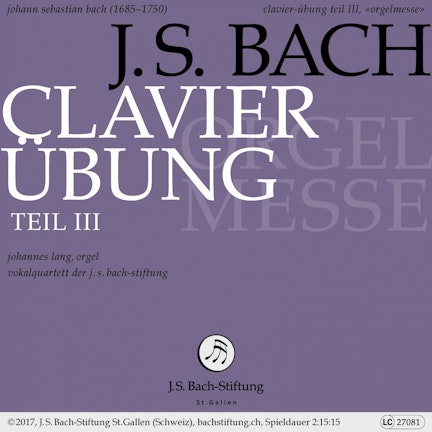
Clavier-Übung Teil III, Orgelmesse
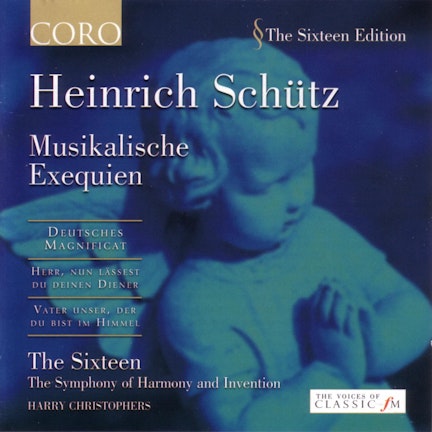
Heinrich Schütz: Musikalische Exequien
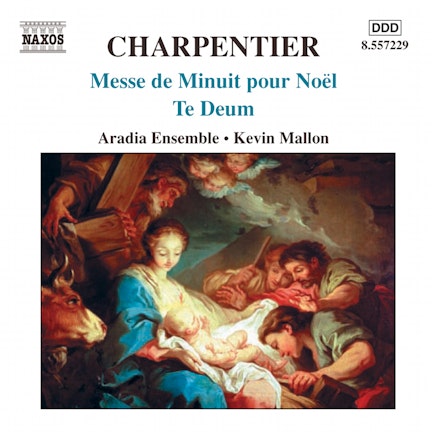
Charpentier, M.-A.: Messe de Minuit pour Noel / Te Deum