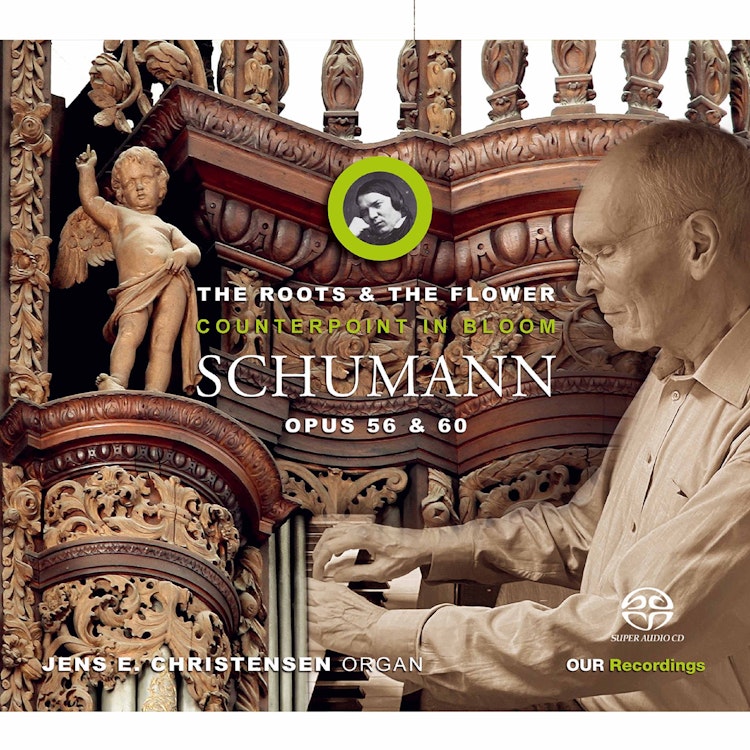
Schumann also published his "Studien für Pedalflügel. Sechs Stücke in kanonischer Form" (Studies for Pedal Piano. Six Pieces in Canonic Form), Opus 56, in 1845, which were written in the spring and summer of that year.
Composition History
Schumann's "Sechs Fugen über den Namen BACH" (Six Fugues on the Name BACH), Opus 60, were composed between summer and November 1845 and are considered his only genuine organ compositions.
Composer's Artistic Vision
Schumann believed the best fugue was one that the public might mistake for a waltz, where the intricate 'roots' of counterpoint are hidden, leaving only the 'flower' visible.
Composer Biography
Robert Schumann married Clara Wieck, an established pianist and composer, after a legal battle with her father, leading to a lifelong musical partnership.
Performer Biography
Jens E. Christensen, the organist on this album, is a leading Bach interpreter in Scandinavia and served as the titular organist at Vor Frelsers Kirke in Copenhagen for 25 years.
Composer Biography
Robert Schumann, a German composer, pianist, and critic, initially pursued a career as a pianist but a hand injury forced him to focus on composing.
Interpretation
On this album, the two Schumann works, Opus 56 and Opus 60, are interwoven like a garland of flowers, following Jens E. Christensen's recent concert practice.
You might also enjoy...
Czerny: Complete Organ Music
Robert Schumann: Organ Works Nos. 56, 58 & 60
Reger: Organ Works, Vol. 14
Reger, M.: Organ Works, Vol. 1
Die Orgeln im Freiburger Münster - Chororgel - Künstlerfreunde
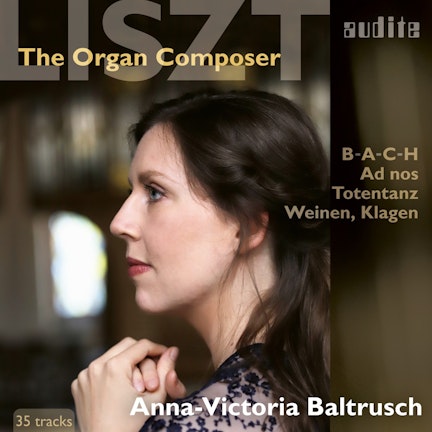
Liszt - The Organ Composer
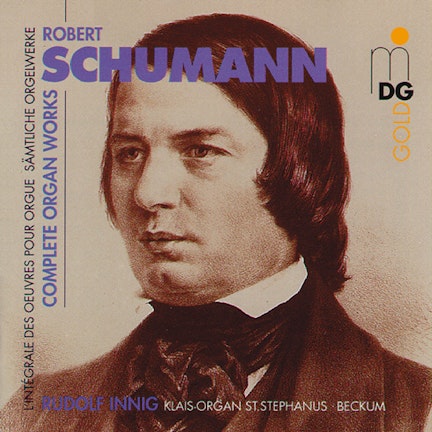
Schumann: Complete Organ Works
Reger: Organ Works, Vol. 8
Bach, Liszt, Reger, Kushnaryov, Shahrimanyan
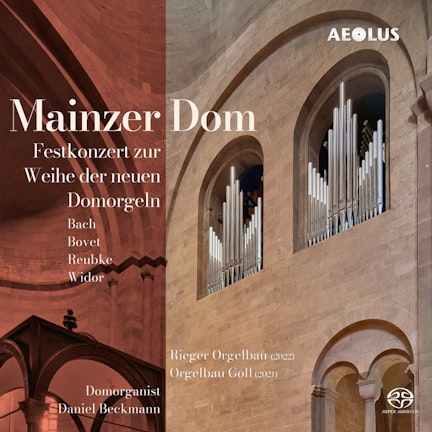
Mainzer Dom - Festkonzert zur Weihe der neuen Domorgeln
Schumann: Organ Works
R. Schumann: Complete Organ Works
Schumann: Complete Organ Music
Brahms / Rheinberger / Schumann / Reger: Organ Works