No autograph manuscripts of these sonatas exist; the surviving manuscripts from the 1720s are copies made by Christoph Graupner, the Darmstadt chapel master, or his associates.
Composition History
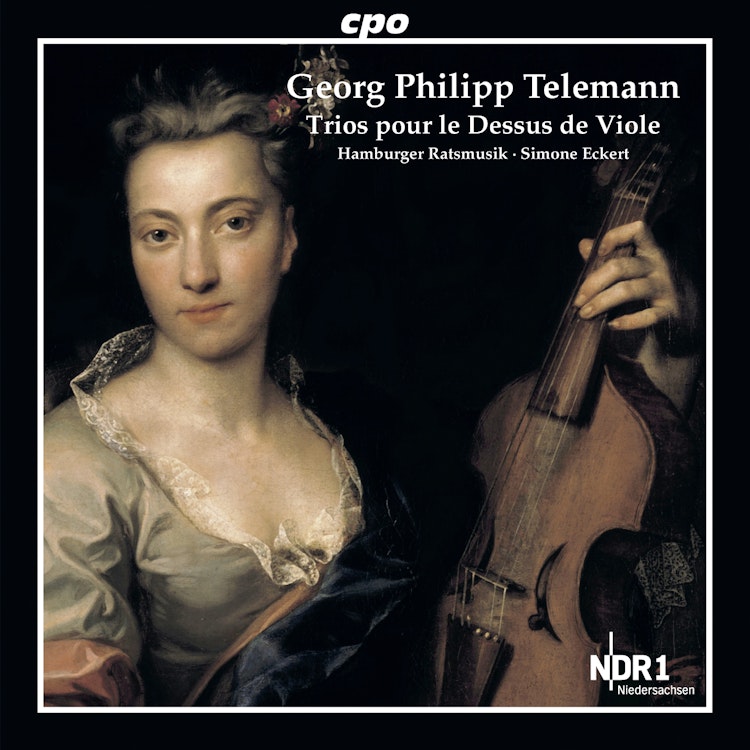
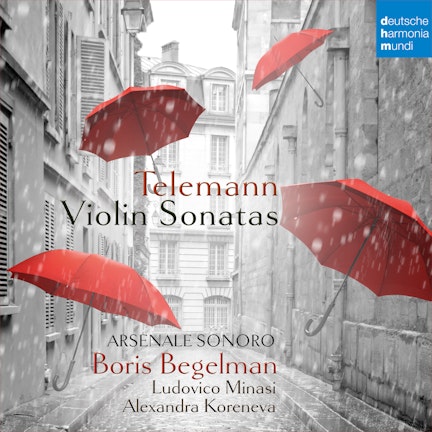
This recording is the first complete documentation of Telemann's nine trio sonatas for Dessus de Viole, a treble gamba, which are not widely discussed by experts.
Historical Context
The Dessus de Viole, a soprano instrument from the viola da gamba family, was neglected in German-speaking regions in the 17th century but flourished as a solo instrument in France and Paris.
Compositional Technique
The sequence of movements in all nine sonatas follows the 'sonata da chiesa' structure: slow-fast-slow-fast, a style influenced by Arcangelo Corelli's trios.
Compositional Technique
In the last movement of the Trio in D minor, Telemann incorporates a Polish dance, reflecting his musical passions and 'mixed taste'.
Composer's Artistic Vision
Georg Philipp Telemann stated that he particularly concentrated on trio composition, arranging it so that the second part seemed to be the first, and the bass had a natural melody.
Composer Biography
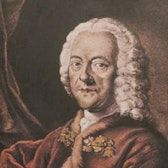
Telemann was attracted to French music from his youth, becoming acquainted with it at the Hanover court and working with French musicians in his later career.
You might also enjoy...
Vivaldi: Sonate e concerti per flauto traverso
Corelli: Sonate, ciacona e follia
Bach: The Trio Sonata Project
Bach: Flauto accompagnato
Neapolitan Concertos for Various Instruments
Italophilia - Discovering the Italian Style in Handel's London